
Altitude: your guide for performing at elevation
Mount Shasta Altitude: What Is Common, What Is Not To Ignore
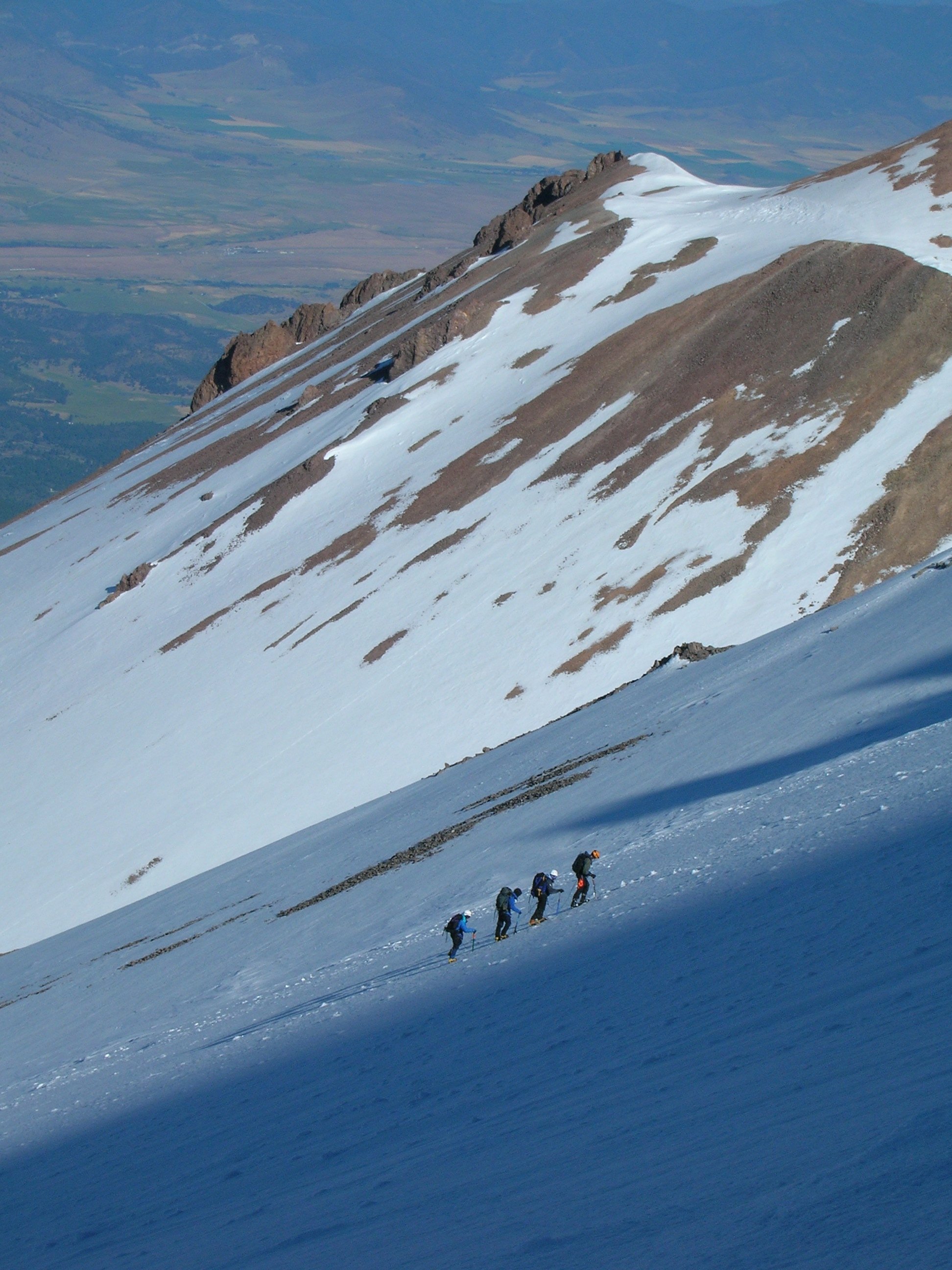
As a Senior Guide and mountain coach, the most common fear I hear from Mount Shasta climbers is altitude. That concern is understandable. Many climbers come from low elevation, sleep between 8,000 and 10,400 feet their first night on the mountain, then aim for the 14,179-foot summit within a day or two. There is no time to truly acclimatize. That process takes weeks. The best we can do is understand and manage the effects of altitude as we ascend, while climbing with enough patience and efficiency to hopefully stay a few steps ahead of full-blown Acute Mountain Sickness.
The first thing I want people to understand is that feeling the altitude does not automatically mean something is going badly. A rough night of sleep, a mild headache, lower appetite, light nausea, fatigue, or feeling a little dizzy can all fall into the common and manageable category. Sleep disruption is especially common above about 9,000 feet and is not always altitude illness by itself. Headache is the classic symptom of Acute Mountain Sickness, usually accompanied by one or more of the other symptoms.
Shasta mountaineers commonly experience this: you have a headache, but you are still thinking clearly, walking normally, carrying on a conversation, and able to eat and drink a little. You may need to stop and rest or slow your pace and be more deliberate with breathing, fueling, and hydration. In every case, the right response is not panic. It is to communicate early, rest or relax the pace for a moment, breathe intentionally, and give your body and mind a chance to settle. In some cases, some extra fueling, hydration, or a bathroom break can make all the difference.
More serious signs and symptoms fall into a different, more urgent category. Repeated vomiting, a headache that keeps building, unusual confusion, trouble with balance or coordination, extreme drowsiness, shortness of breath at rest, chest congestion, or a cough are not normal things to push through. Those signs can point beyond mild AMS and deserve immediate attention and usually descent. If someone is walking poorly, acting confused, or struggling to breathe while resting, that is no longer a “see how it goes” moment.
If symptoms are mild, the general rule is simple: do not go higher until they improve. Tell your guide or your partners, rest, keep exertion low, sip fluids, and eat what you can tolerate. If symptoms are getting worse, or if they are not improving with rest at the same elevation, go down. Descent is not failure. On a big mountain, it is good decision-making.
One point that surprises a lot of strong athletes is that fitness does not make you immune to altitude illness. Training and physical fitness do not reliably change AMS risk. What fitness does help with is the rest of the day. A well-prepared climber usually paces better, handles effort better, and is more consistent with breathing and fueling. That often makes the overall experience on Shasta much more manageable, even though it does not guarantee protection from AMS.
The goal is not to fear altitude. The goal is to respect it, recognize it early, and respond well. If you want the deeper preparation side of this conversation, read my full Mount Shasta Altitude Guide on the Casaval Personal Training blog. That article goes further into pacing, breathing, fueling, and the training pieces that help climbers handle altitude better on summit day.